The Freedom Within the Pattern
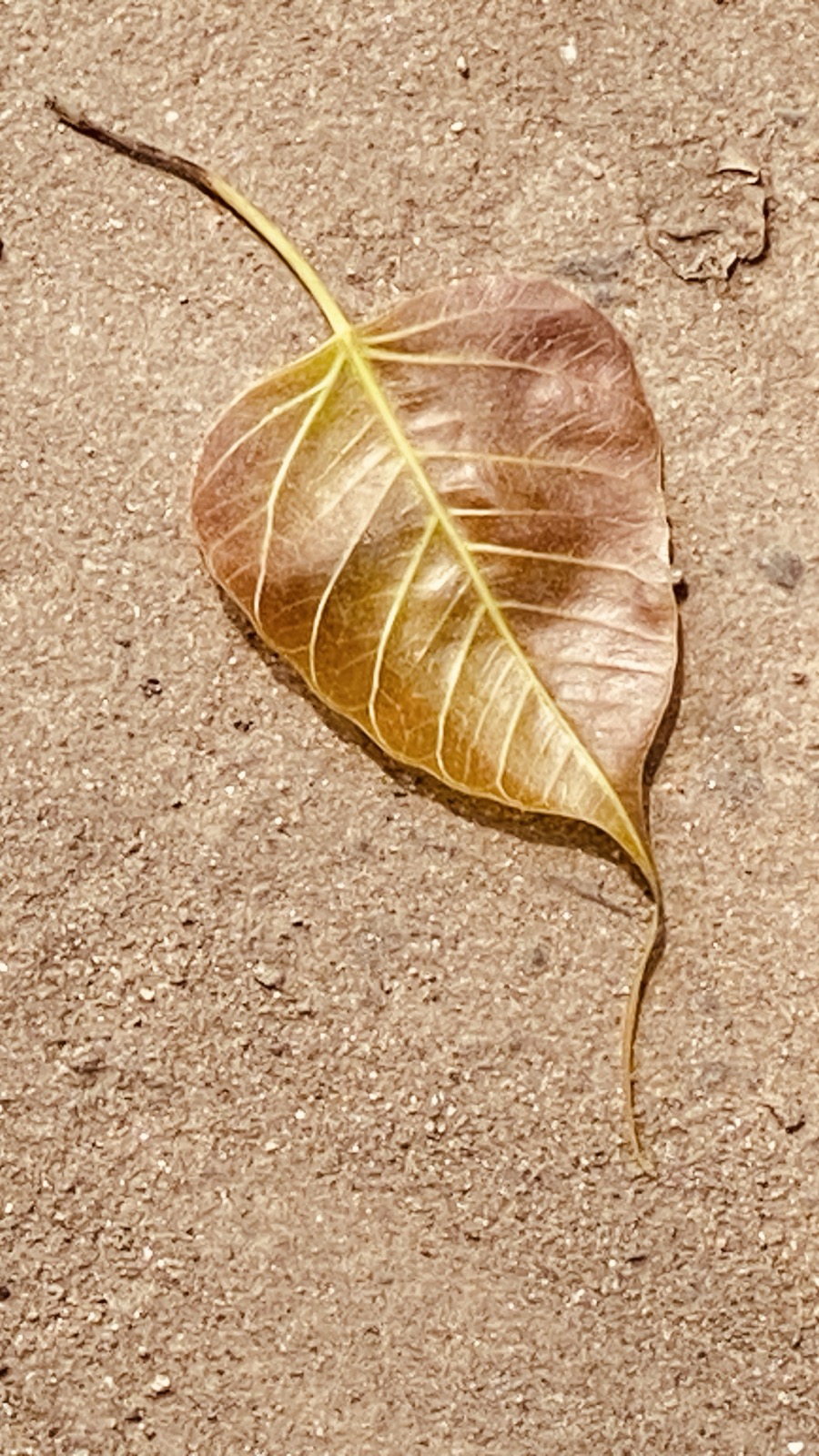
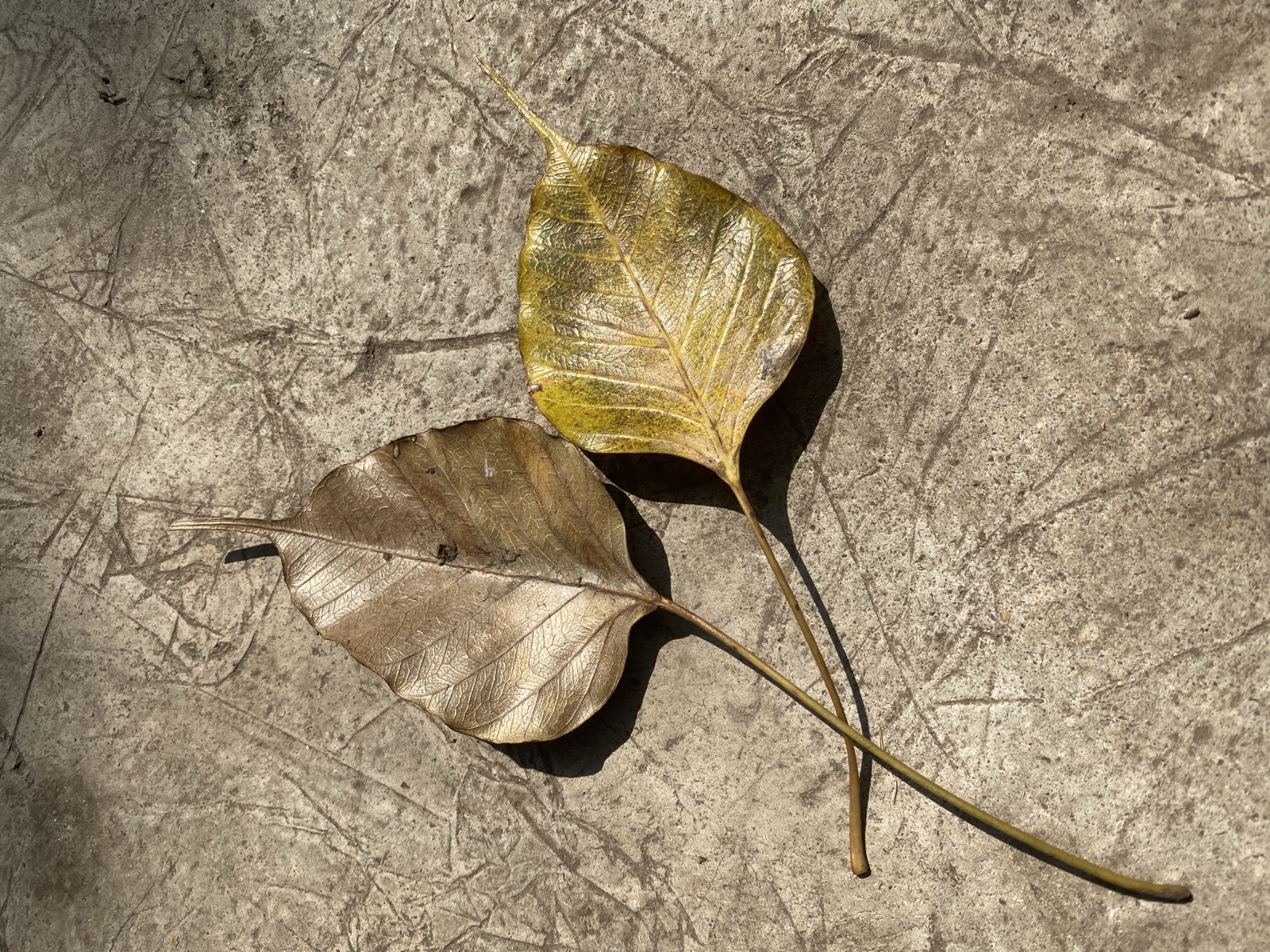
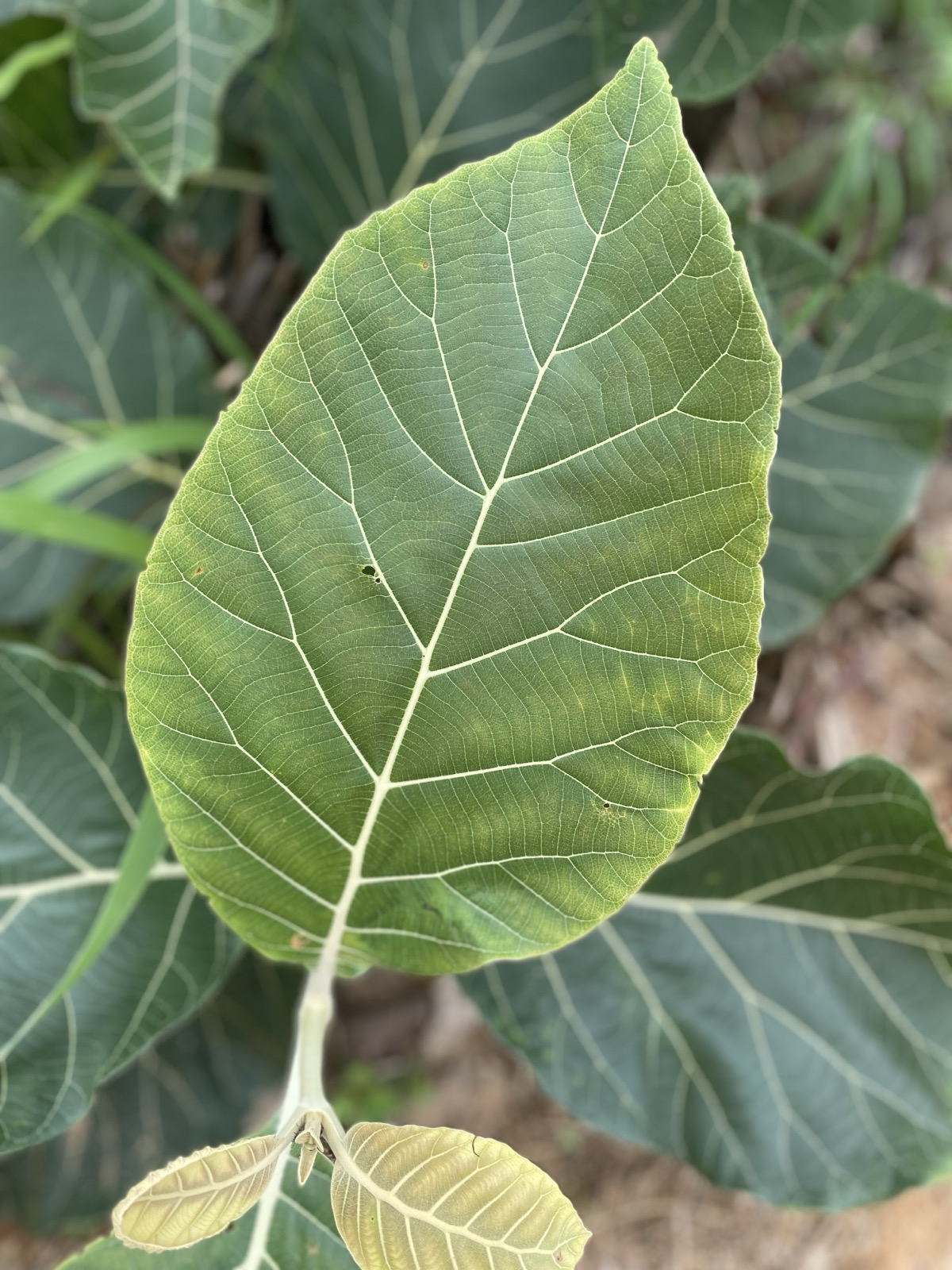
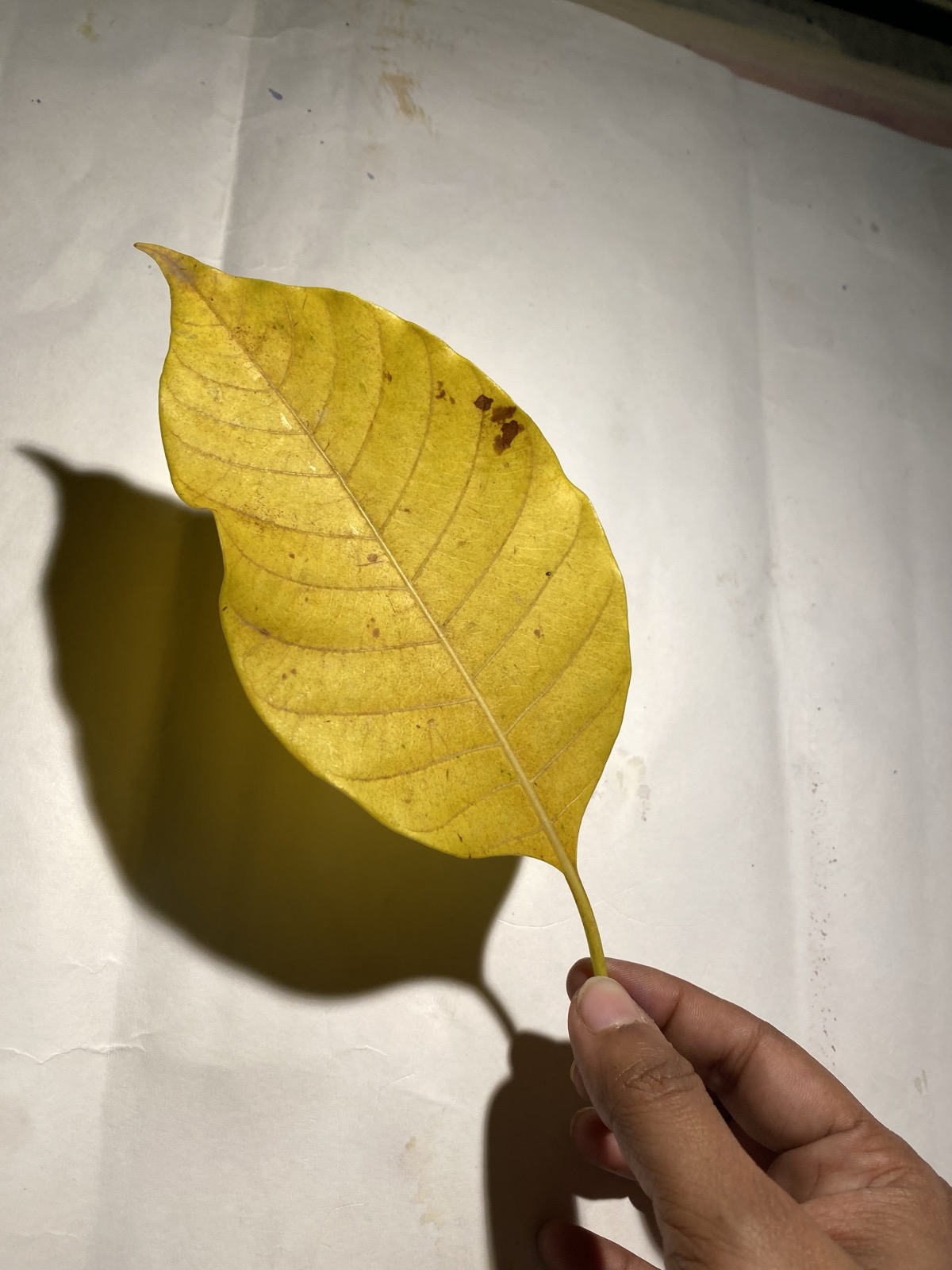
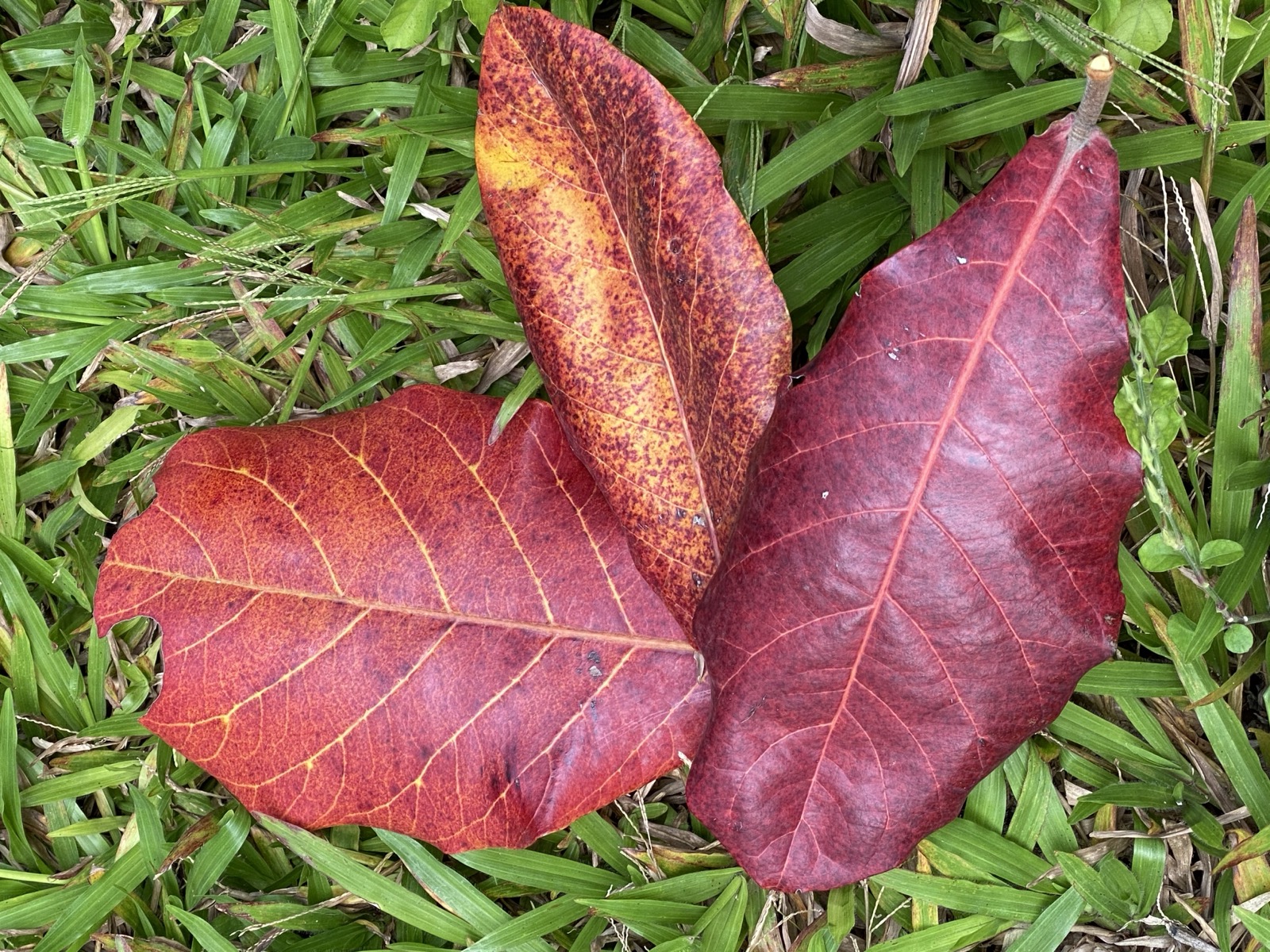
This afternoon, while looking closely at a handful of leaves, I noticed something that felt both mathematical and deeply human.
No two leaves were identical.
One was broader, another narrower. One carried a strong central vein with smaller branches spreading outward in near-perfect rhythm. Another appeared more irregular, its network turning and dividing with greater freedom. Their edges differed. Their proportions differed. Even leaves growing from the same plant carried small deviations from one another.
And yet, none of them felt accidental.
Each leaf seemed to follow an invisible instruction.
A grammar.
An algorithm.
There was enough consistency for me to recognise what kind of leaf it was, yet enough variation for it to remain entirely itself.
Nature, I realised, does not create identity through repetition.
It creates identity through constrained freedom.
A leaf belongs to a species not because it is an exact copy of every other leaf, but because it develops within a recognisable field of possibilities. Its veins may branch according to a common logic, but the precise angles, distances, curves, interruptions, and asymmetries are allowed to vary.
The underlying rule remains.
The individual expression changes.
Perhaps this is true of us as well.
We observe recurring patterns among human beings and give those patterns names.
Indian.
Bengali.
American.
Chinese.
Woman.
Artist.
Scientist.
Teacher.
Child.
These words are not necessarily false. They point toward shared histories, languages, geographies, memories, habits, foods, rituals, and ways of seeing the world.
They help us recognise certain broad patterns.
But a category is only a statistical description.
It is never a complete human being.
To say that a person is Bengali may tell us something about the cultural grammar within which they were formed. It may suggest a language, a landscape, a history, a relationship with food, music, literature, family, or memory.
But it cannot tell us the exact architecture of that person's inner world.
It cannot tell us which grief shaped them.
Which question keeps them awake.
Which colour they associate with silence.
Which childhood afternoon still lives inside them.
Which fear they have never named.
Just as the word leaf cannot describe every vein.
The problem begins when we mistake the pattern for the person.
A category, originally created to help us recognise commonality, slowly becomes a boundary.
The boundary becomes an identity.
The identity becomes a possession.
And eventually, the possession must be defended.
We begin saying:
This is who we are.
That is who they are.
Our pattern is superior.
Their variation is threatening.
What began as a way of understanding difference becomes a machinery for separation.
Yet variation itself is innocent.
Difference does not produce conflict merely by existing.
A leaf does not resent another leaf because its veins bend differently.
A tree does not accuse a neighbouring tree of betraying the forest because its branches follow another geometry.
Nature permits resemblance without demanding sameness.
Human conflict begins not when differences appear, but when power assigns value to them.
When one variation is declared pure and another impure.
When one language becomes civilised and another primitive.
When one border is called sacred and another illegal.
When one history is remembered and another erased.
When statistical similarity is mistaken for destiny.
Perhaps the real danger is our discomfort with ambiguity.
The natural world is full of continua, gradients, overlaps, and transitional forms. But the human mind prefers boxes. Boxes feel stable. They make the world easier to describe.
You belong here.
I belong there.
This is ours.
That is yours.
But reality rarely respects the sharpness of our classifications.
Human identity is not a row of separate containers. It is closer to a field of overlapping patterns.
A person may be Bengali, Indian, Asian, an artist, a technologist, a woman, a teacher, a student, a rationalist, a dreamer, and a thousand unnamed things at once.
Each identity explains something.
None explains everything.
We are not reducible to the labels that partially describe us.
Mathematically, I began thinking of this as a system with invariants and degrees of freedom.
The invariants allow recognition.
The degrees of freedom allow individuality.
Without invariance, there would be no coherent form.
Without freedom, there would be no living variation.
Identity seems to exist precisely at the meeting point of the two.
Too much rigidity, and the pattern becomes mechanical repetition.
Too much randomness, and the pattern becomes unrecognisable.
Life appears to flourish in the narrow, fertile territory between perfect order and complete disorder.
Perhaps cultures do too.
A culture remains alive when it carries certain memories forward while allowing each generation to reinterpret them. A language survives not because every sentence is repeated, but because a shared grammar allows infinitely many new sentences to be born.
Tradition without freedom becomes fossil.
Freedom without memory becomes rootlessness.
The living form requires both.
And perhaps our conflicts emerge when we forget this balance.
We begin treating cultural patterns as fixed algorithms rather than evolving grammars. We imagine that belonging requires sameness. We punish deviation because we fear that variation will dissolve identity.
But the leaf teaches otherwise.
Its uniqueness does not threaten the species.
Its irregularity does not destroy the pattern.
Its freedom is part of the pattern.
What if we learned to see human beings in the same way?
Not as representatives of categories, but as singular expressions arising within many overlapping systems.
Not as proof of what a group is, but as one unrepeatable configuration of history, biology, memory, choice, accident, and possibility.
Then perhaps identity would no longer have to become a wall.
It could become a window.
A way of understanding where someone comes from, without deciding where they must remain.
A way of recognising kinship, without demanding conformity.
A way of naming patterns, without imprisoning individuals inside them.
The leaf does not deny its tree.
But neither does it surrender its own shape.
It belongs, yet remains singular.
Perhaps that is the balance we are still learning:
to inherit without becoming trapped,
to differ without becoming enemies,
to recognise patterns without worshipping categories,
and to belong without building borders around the soul.
As I looked again at the leaves, their veins no longer seemed merely botanical.
They looked like maps.
Each one carried a shared logic and a private journey.
Each one followed a law without becoming a copy.
And I wondered whether this may be one of nature's quietest lessons:
Identity is not sameness.
Identity is the freedom to become singular without losing connection to the whole.