Friday evening had been dull, and we wanted the Saturday morning to make up for it — something calm, something that felt like enough.
Anni looked up and offered options the way you offer a restless child fruit. This place. That place. The garden, the old café, the drive up the hill. Nothing tempted me. I gave each one the same half-tilt of the head — a nod that never became a yes — until she ran out of suggestions and smiled.
Then let's go nowhere, she said.
In the car I asked her, Anni, so where are we going?
I don't know, we'll see. We will stop by the places that call us.
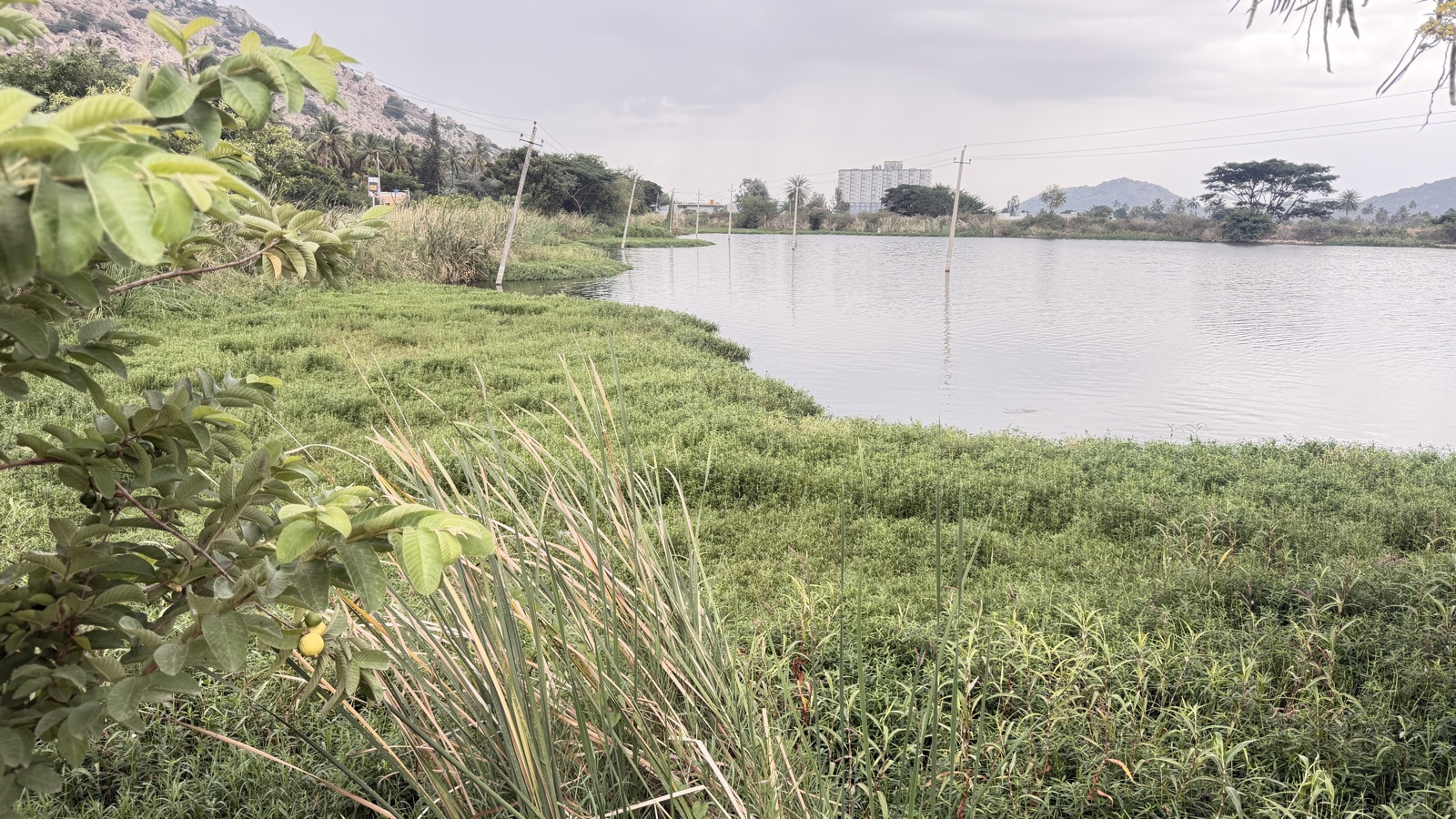
I didn't ponder much over it then. We drove past the map's polite intentions, out to where Bangalore forgets its own name — a lake holding the flat grey light of early morning, a stand of trees, rail tracks going somewhere without us, a tea stall with one kettle and its little cloud of steam. We stopped wherever the road cleared its throat. Once it was for a scatter of nameless grass flowers at the very edge of the tar — red and gold tangled together like the fur of Tupie's tail. Those I begged her to stop for, and I photographed them again and again. The pictures came back pretty and wrong. They kept the colour. They kept the shape. But they misplaced the invitation — the small, specific way those flowers had called to me across the road. Each place was not a pause on the way to somewhere. Each place was the somewhere.
Each place was not a pause on the way to somewhere. Each place was the somewhere.
That night, as we slept, she asked: so, where all did we go today? Remember that kettle at the tea stall?
I had no names. I had the lake's exact silver, the smell of wet iron on the tracks, the particular dark between two trees. A whole catalogue of wonder, and not one word to file it under.
I smiled and closed my eyes. I knew my eyelids would screen my answers.
A whole catalogue of wonder, and not one word to file it under.
I have thought about that morning for a long time since. We keep journeys the way we keep accounts — by where they end. Subtract the start from the finish, and that difference is meant to be the trip. By that accounting our morning came to nothing: we left home and returned home. But memory keeps a stranger ledger. It does not record endpoints. It records interruptions — the lake, the kettle, the flowers — and refuses to let them cancel. Attention keeps this ledger. So does love. Childhood, most faithfully of all.
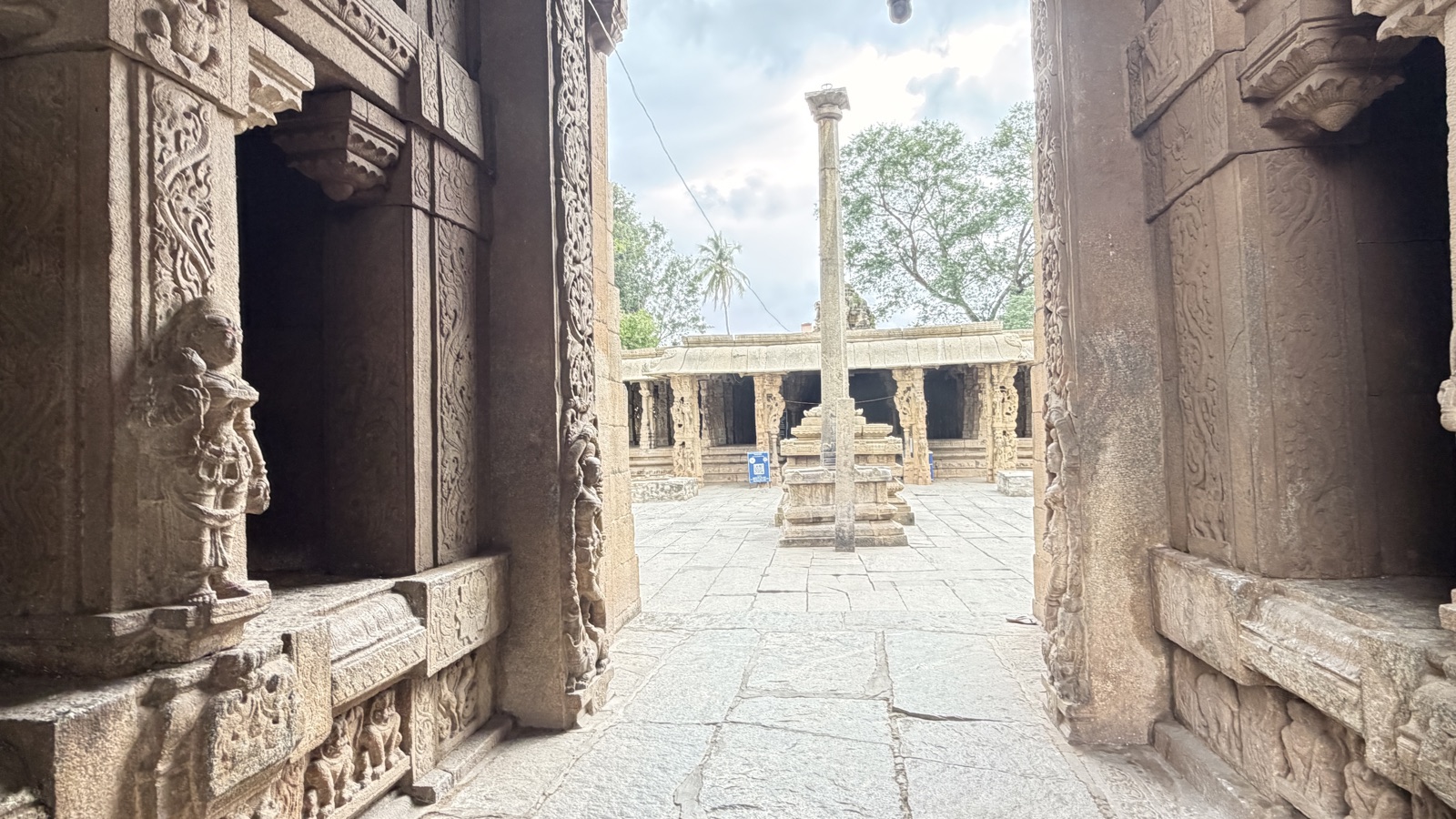
That is the inverse of how I am taught to live now — quickest route, best return, the arrival. That morning kept no such arithmetic. It was governed by curiosity, which asks a different question: not where are we going, but what is here.
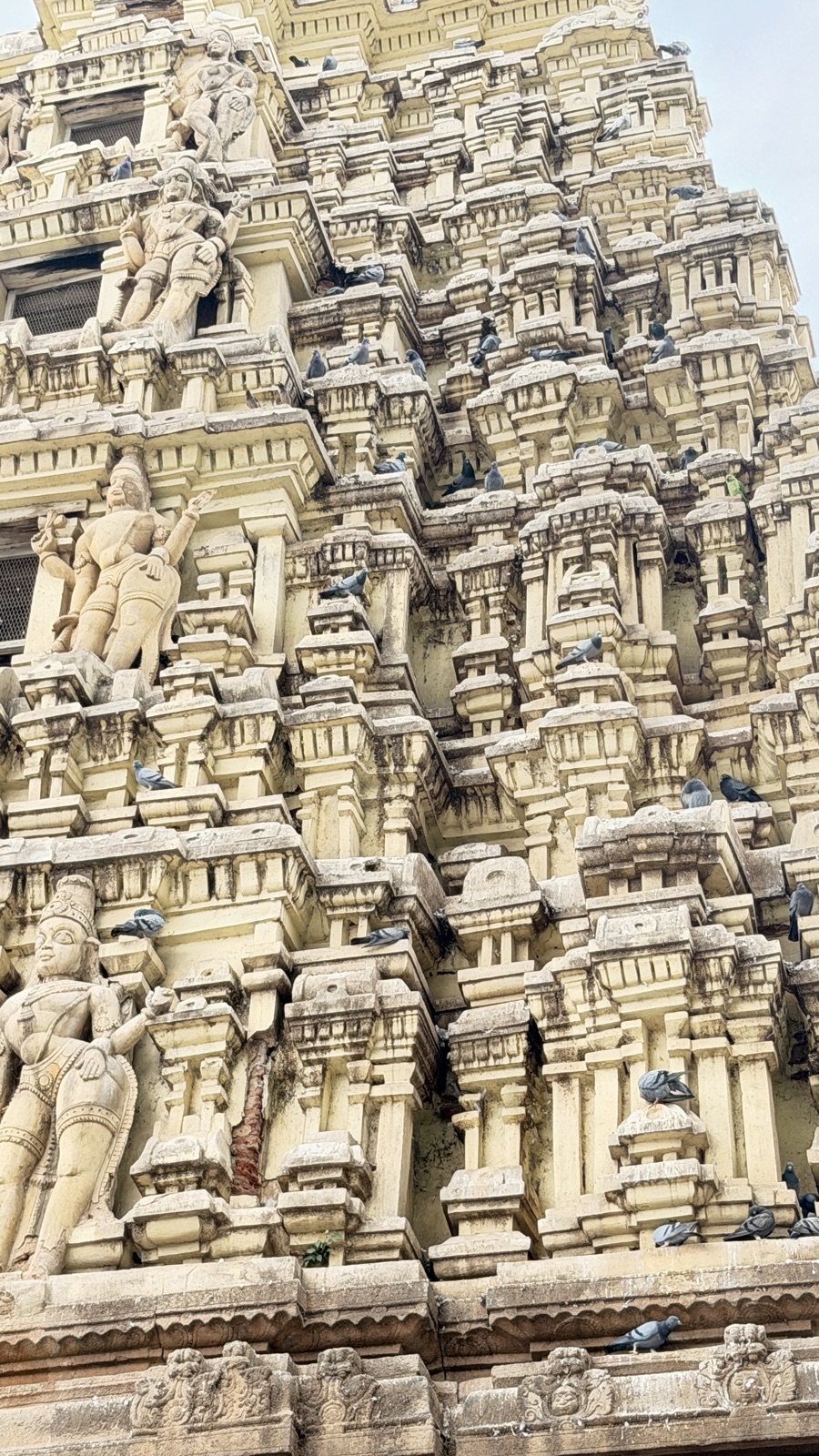
Destinations, I think now, are not places waiting at the ends of roads. They are the moments that ask you to stop minding where you are going and notice where you already are. And a place does not call everyone. It calls the one who has gone quiet enough to answer — which means the call was never only in the flowers, nor only in me. It lived in the meeting: a self becoming available to a place that had been there all along.
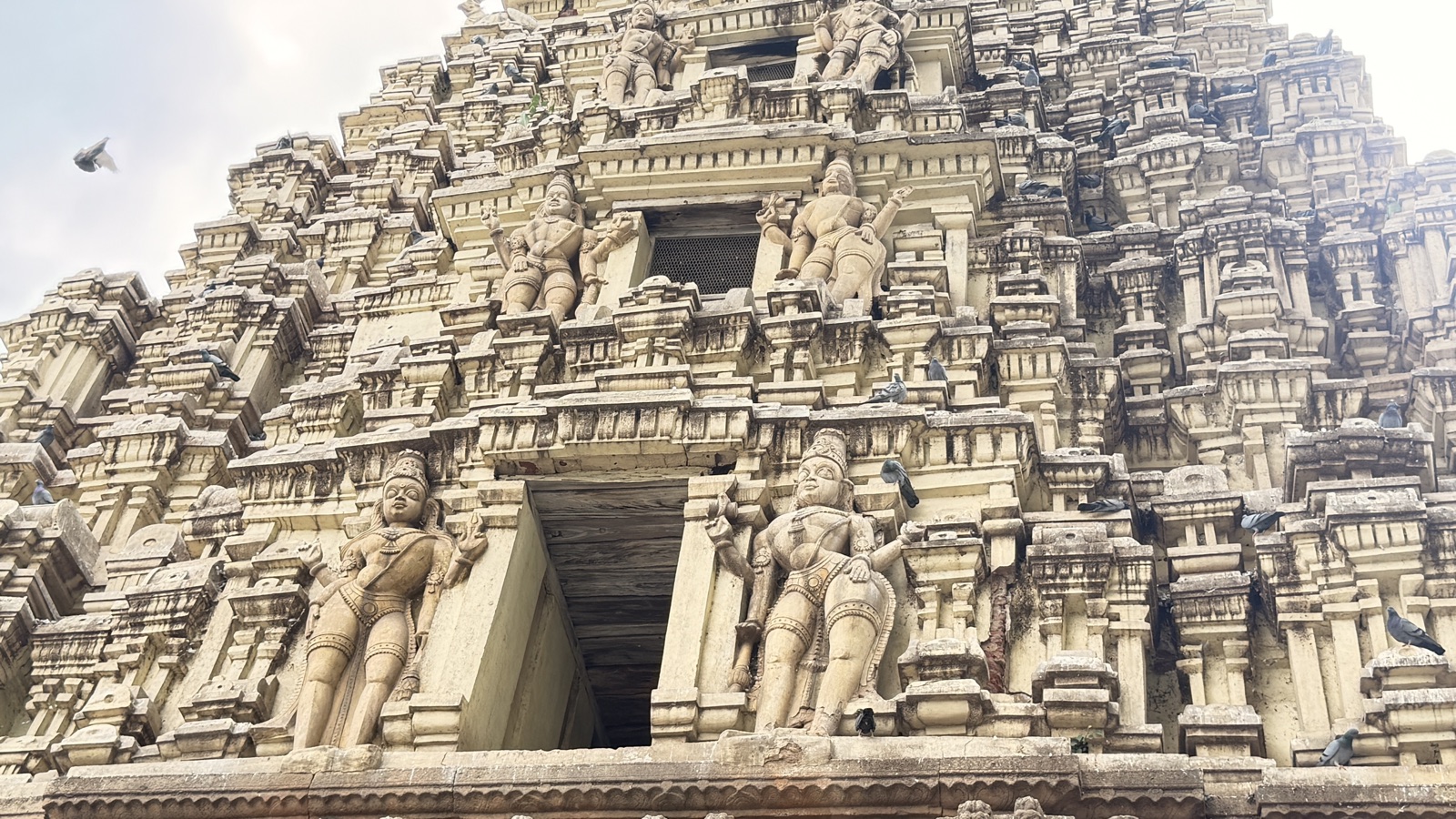
I still don't know where we went that morning. I only know that if I close my eyes, one could read every stop from my eyelids — because maps remember places by their names, and eyelids remember them by wonder. Perhaps that is what she meant by the places that call us.
Maps remember places by their names. Eyelids remember them by wonder.
An observation byMadhubanti Mukherjee